Prepare a UK home emergency power kit with practical advice on lighting, charging, food, communications, medical needs and safe backup power.
A power cut can interrupt lighting, heating controls, broadband, refrigeration, cooking and charging. A small, organised kit helps your household manage the first hours of an outage without rushing to find basic supplies. The aim is not to prepare for every imaginable emergency. It is to keep essential items accessible, understand what depends on electricity and make a safe plan for anyone who needs additional support.
Start with lighting and communication
Keep one or more reliable torches in known locations, with spare batteries if the design uses replaceable cells. A rechargeable lantern can be useful, but remember to recharge it after use. Keep mobile phones charged when severe weather is forecast and store a power bank with enough capacity for essential communication. If you use a battery radio, check the battery type and test it periodically. Do not rely on candles as your main light source, particularly around children, pets, curtains or bedding.
Plan for food, water and warmth
Keep drinking water and a modest supply of food that does not require cooking. During an outage, keep refrigerator and freezer doors closed to help maintain the temperature for as long as possible. Follow official food-safety advice if an outage lasts a long time or you are unsure whether food has remained safely chilled. Keep warm clothing and blankets accessible, and know how to operate heating controls safely if they have a manual backup mode. Never use outdoor barbecues, camping stoves or fuel heaters inside a home.
Consider household-specific needs
Write down important contact numbers, including the electricity network operator, healthcare contacts, landlord or building manager and trusted neighbours. Know how to open electrically operated gates or garage doors manually, where the manufacturer provides a safe release procedure. If someone in the household relies on electrically powered medical equipment, contact the equipment provider and relevant healthcare team before an outage to agree a continuity plan. Confirm any backup power compatibility with the equipment manufacturer and healthcare professionals.
Choose backup power carefully
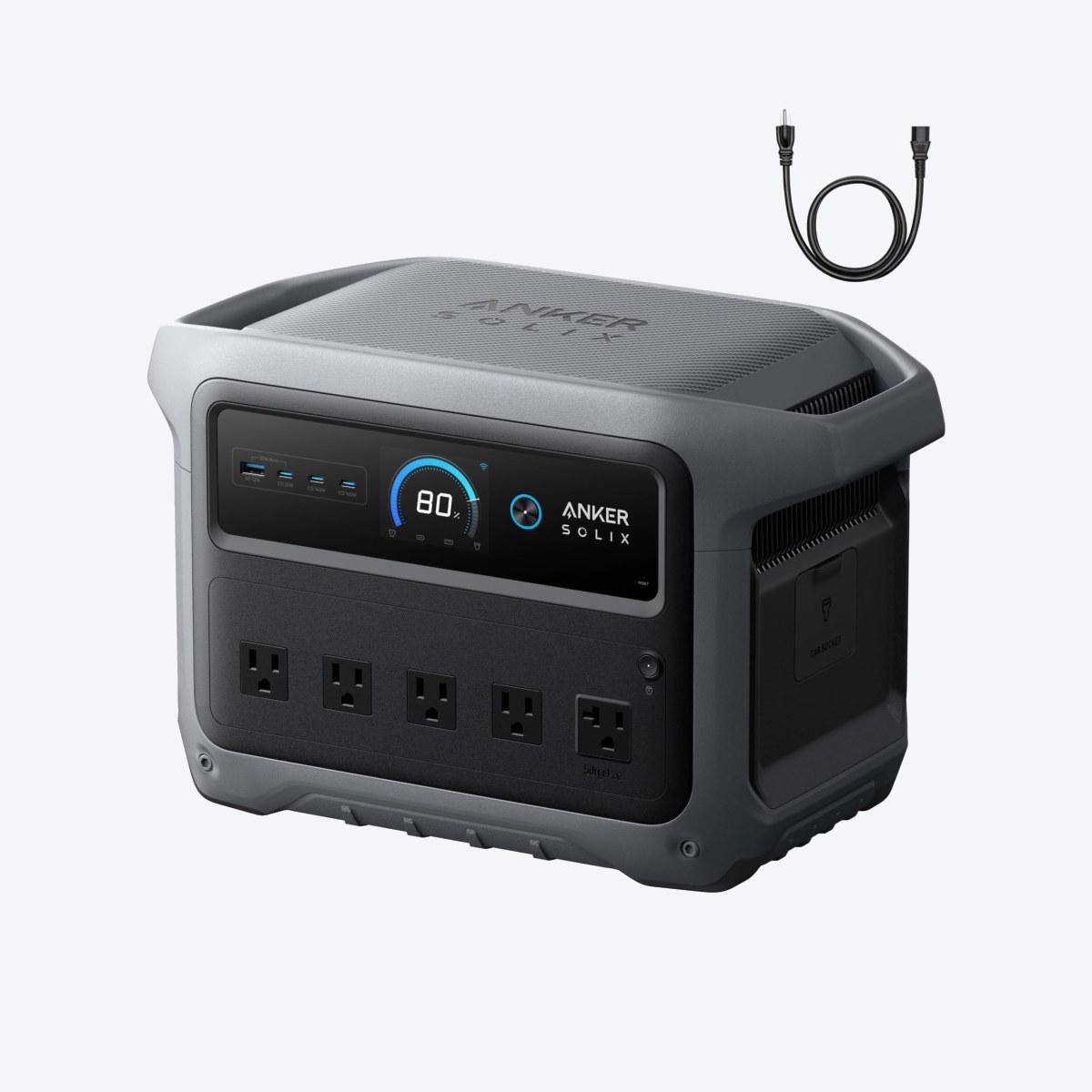
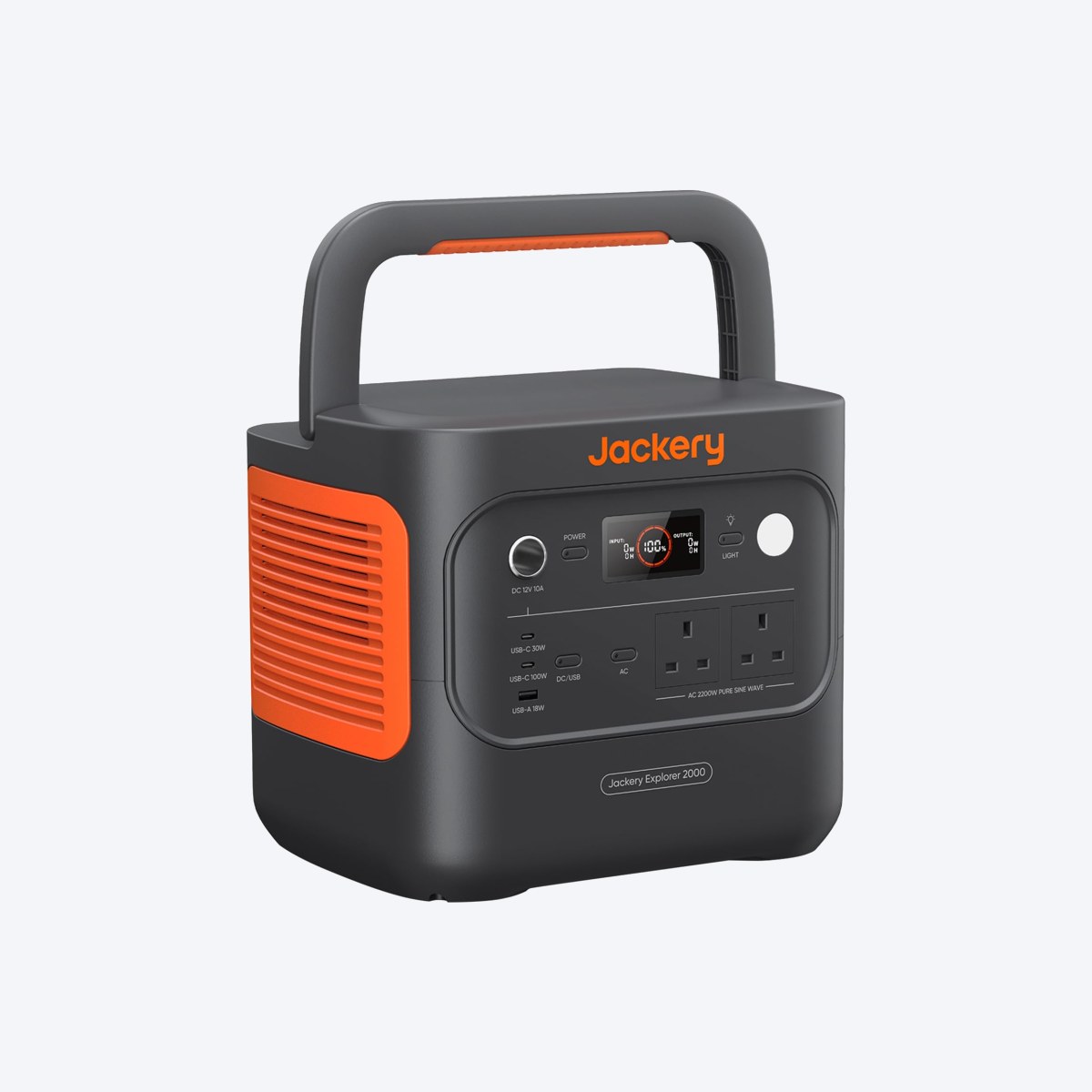
A power bank may be enough for phones and small USB devices. A portable power station may support selected appliances, depending on its usable energy, continuous AC output, surge capability and charging options. A fuel generator may suit some higher-demand uses, but it produces exhaust and must only be operated outdoors in a well-ventilated location. Never use a generator in a home, garage, shed, tent, caravan, vehicle or other enclosed or partly enclosed space. Carbon monoxide is colourless and odourless and can kill.
Maintain the kit
Store the kit in a dry, accessible place and tell household members where it is. Check it every few months and before forecast severe weather. Recharge power banks, replace expired batteries and food, update contact details and test radios and torches. If you own a generator or power station, follow the manufacturer’s maintenance, storage and charging instructions. Do not store fuel in unsuitable containers or refuel a hot or running generator.
Comparison table
| Backup item | Useful for |
|---|---|
| Torch or rechargeable lantern | Safe lighting without relying on mains power |
| Power bank | Phones and small USB devices |
| Portable power station | Selected devices within its rated output and capacity |
| Battery radio | Receiving updates when mobile or broadband service is unavailable |
| Fuel generator | Some higher-demand loads, only with strict outdoor operation and safe connection planning |
Home emergency power checklist
- Keep torches and spare batteries in an accessible place.
- Maintain a charged power bank and suitable charging cables.
- Store drinking water and food that does not require cooking.
- Keep warm clothing, blankets and essential contact numbers ready.
- Know how to operate manual releases for powered gates or garage doors.
- Agree a continuity plan for medical equipment before an outage.
- Check the specifications and safety instructions for any backup power equipment.
- Review and test the kit every few months.
Frequently asked questions
What should be in a basic power-cut kit?
Keep torches, spare batteries, charged power banks, a battery radio if useful, warm clothing, drinking water, essential contact numbers and a small supply of food that does not need cooking. Store the kit somewhere accessible and check it periodically.
Should I keep a generator in my emergency kit?
A generator is not essential for every household. If you choose one, plan safe outdoor operation, fuel storage, electrical connection and maintenance in advance. Never run a fuel generator indoors or in a partly enclosed space.
Can a portable power station run a fridge freezer?
It depends on the appliance’s running and starting demand and the power station’s usable energy, continuous output and surge capability. Check both manufacturers’ specifications and do not assume a headline watt-hour figure guarantees a particular runtime.
How can I prepare if someone relies on powered medical equipment?
Contact the equipment provider and relevant healthcare team before an outage to agree a written continuity plan. Confirm backup power compatibility and what to do if the equipment stops. Do not improvise a connection or rely on an unverified battery or generator.
How often should I check my emergency kit?
Review it every few months and before forecast severe weather. Recharge power banks, replace expired batteries or food, update contact details and check that torches, radios and any backup equipment work according to their manuals.
Explore more from ARVANTA
Generators & Power Solutions | ARVANTA Buying Guides
Explore ARVANTA for practical home and power solutions, with free UK delivery (5–10 business days), 30-day free returns and a 2-year manufacturer warranty. Check the individual product page for specifications and applicable terms.
Shop Portable Power Stations at Arvanta
All Arvanta orders include free UK delivery (5–10 business days), 30-day free returns and a 2-year manufacturer warranty. Questions? Email contact@arvanta.co.uk or call +44 7501 629931 (24/7).