Practical UK advice on what size dehumidifier do I need. Compare key specifications, running costs, safety and buying checks before you choose.
Start with your household needs
Litres per day describes the amount of water a dehumidifier can extract over 24 hours under specified test conditions. It is not a promise of the amount collected in every UK home. Temperature, humidity, room size, airflow and moisture sources all affect real-world performance.
Compare the real-world trade-offs
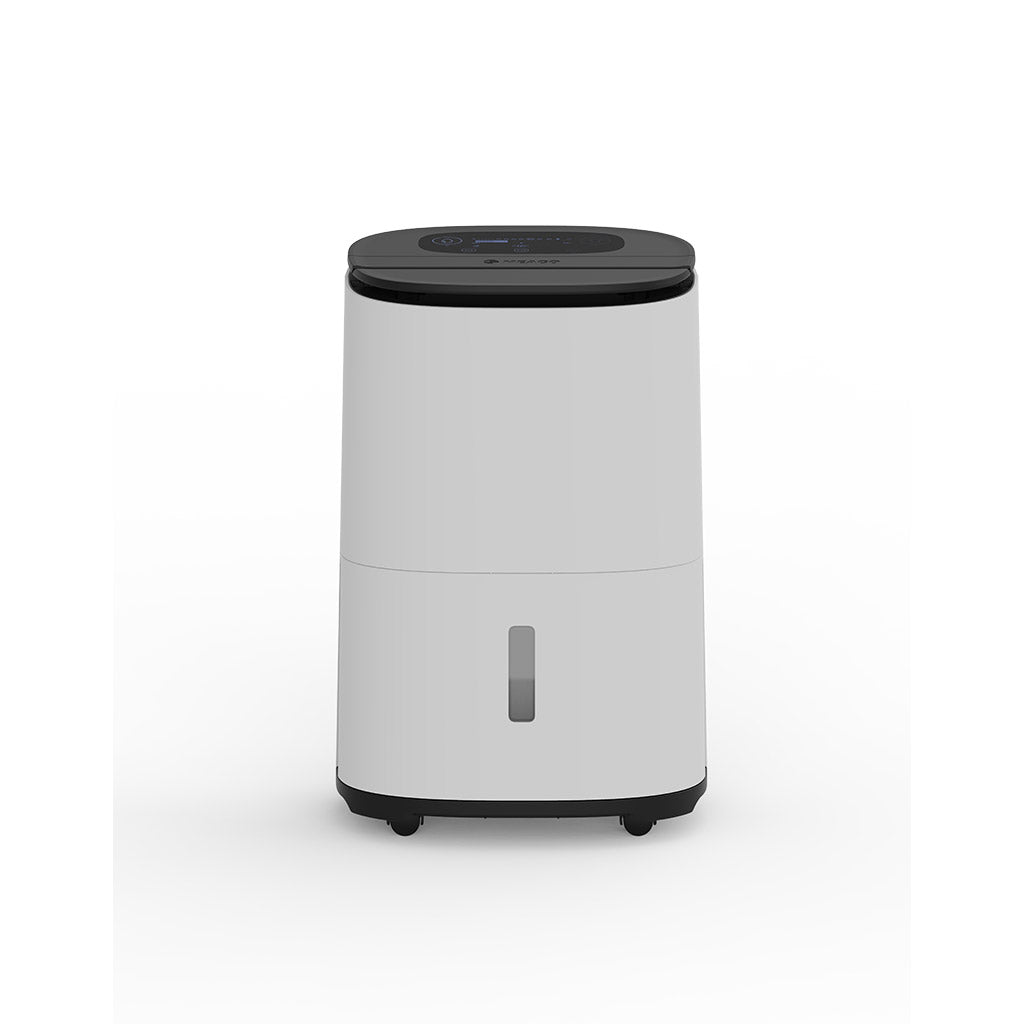
Measure the room and identify the problem. A bedroom with occasional morning condensation differs from a utility room used for indoor laundry or a persistently damp space. Compare the recommended room size, extraction rate and test conditions, power use, operating temperature and noise.
Safety, installation and maintenance
Look for a humidistat, suitable tank capacity, automatic shut-off, continuous-drain option and accessible filters. Keep doors and windows managed in line with the manual and continue to ventilate. If damp persists, investigate leaks or building defects rather than relying on a larger appliance.
Check the specification before buying
Read the exact model information, user manual and product fiche where applicable. Compare dimensions, capacity, operating limits, energy use, noise, controls, warranty and maintenance requirements. A headline figure is useful only when you understand the test conditions behind it.
If a specification is missing or unclear, ask the retailer or manufacturer before purchase. Do not assume that products in the same category have identical performance.
Think about total ownership cost
Consider the purchase price alongside electricity or fuel use, consumables, maintenance, repairs and expected usage. For electricity, a basic estimate is power in kilowatts multiplied by hours used and the tariff per kilowatt-hour. This is only an estimate: actual consumption changes with load, temperature, settings and operating patterns. Compare energy labels where they apply and use the same assumptions when comparing products.
Make a shortlist
First remove products that do not meet your essential capacity, space, safety or installation requirements. Then compare convenience, controls, noise, cleaning, support and warranty. Check the delivery route and installation space, including doors, stairs and access for servicing.
Keep the model number and documentation after purchase. A suitable product is one that fits your household and can be used as instructed.
Comparison table
| Factor | What to check |
|---|---|
| Capacity or performance | Confirm the rated figure and its test conditions. |
| Energy or fuel use | Compare equivalent units and realistic usage. |
| Dimensions and placement | Measure the space and allow required clearances. |
| Noise and convenience | Consider room location, controls and day-to-day use. |
| Care and support | Check cleaning, warranty and repair arrangements. |
Buying checklist
- Confirm the product suits the intended room, environment and use.
- Measure the space, access route and required clearances.
- Compare model-specific ratings under equivalent conditions.
- Check energy use and likely running costs.
- Read installation, operating and maintenance instructions.
- Check warranty coverage and after-sales support.
- Use a qualified professional for fixed or regulated work.
- Keep the receipt, model number and product documentation.
Frequently asked questions
How do I choose the right model?
Start with your household needs and the conditions in which the product will operate. Compare the exact specifications, dimensions, running costs, maintenance and warranty. Do not choose solely by a headline capacity or feature name.
Which specification matters most?
There is rarely one figure that tells the whole story. Compare the rating that directly affects your intended use, then check energy use, dimensions, noise, installation limits and maintenance. Make sure the figures are based on comparable test conditions.
Can advertised performance differ in my home?
Yes. Temperature, load, installation, room conditions and usage patterns can all affect real-world performance. Read the test conditions in the product information and manual. Treat laboratory figures as a comparison guide rather than a guarantee of household results.
What should I check before first use?
Check the installation, clearances, electrical requirements, ventilation and user instructions. Do not bypass safety features or modify the appliance. Where fixed wiring, plumbing, gas or structural work is involved, use an appropriately qualified professional.
How can I keep running costs down?
Use the appliance only when needed, select suitable settings, maintain filters and seals, avoid unnecessary standby use where practical and follow the care instructions. Compare official energy information and estimate costs using your own usage pattern.
All Arvanta orders include free UK delivery (5–10 business days), 30-day free returns and a 2-year manufacturer warranty. Questions? Email contact@arvanta.co.uk or call +44 7501 629931 (24/7).